

Public EV charging in Australia: a simple guide for new EV owners
Most people charge their electric vehicles (EVs) at home because it’s easy, convenient, and affordable.
But at some point, every EV driver will need to use public charging.
Whether it’s a road trip, a busy week, or just being caught out and about, it’s important to know how it all works.
Here’s a simple, practical guide to help you confidently charge your EV on the road.
How to find a public EV charger
The easiest way to find public charging is by using apps and maps designed for EV drivers.
We recommend:
Plugshare – shows nearby chargers, plug types, and real-time check-ins from other drivers
A Better Route Planner (ABRP) – ideal for planning longer trips and working out where to stop
These tools help you:
See if a charger is available or in use
Check what type of charger it is
Plan charging stops ahead of time
👉 Tip: Always check your next charger before you arrive. This can save a lot of stress if it’s busy or out of order.
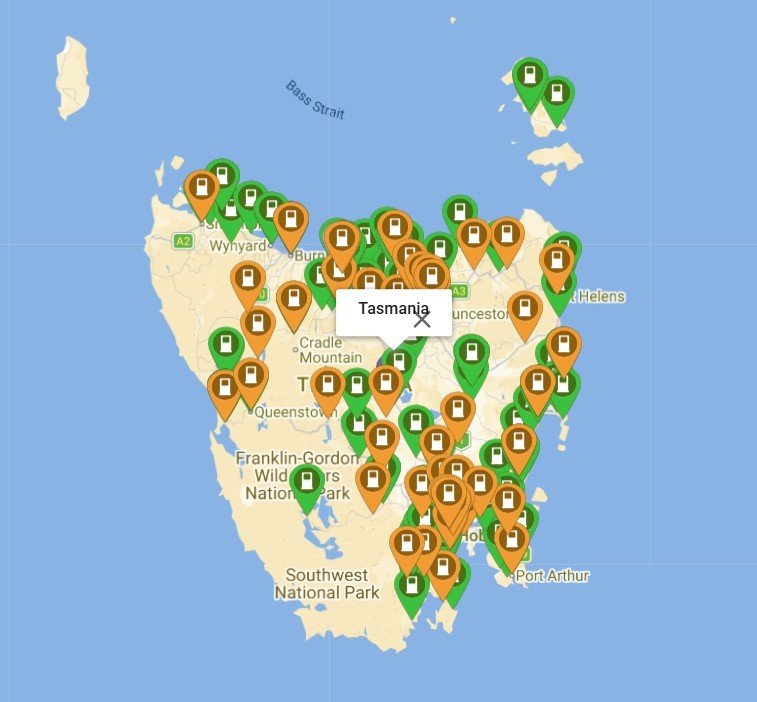
Public EV chargers in Tasmania on the Plugshare website
Types of public EV chargers
There are two main types of public EV chargers:
DC rapid chargers (fast charging)
DC rapid chargers can charge most EV batteries from low to around 80% in 15–40 minutes, making them perfect for road trips or quick top-ups.
You’ll usually find them:
Along major highways
In busy towns and regional centres
Cables are almost always built into the charger, so you don’t need to bring your own.
However:
They’re usually more expensive than other charging options
Pricing may include a cost per kWh plus a time-based fee
They can occasionally be out of service due to maintenance
👉 Tip: Charging slows down significantly after ~80%, so most drivers unplug and continue their trip rather than waiting for a full charge.
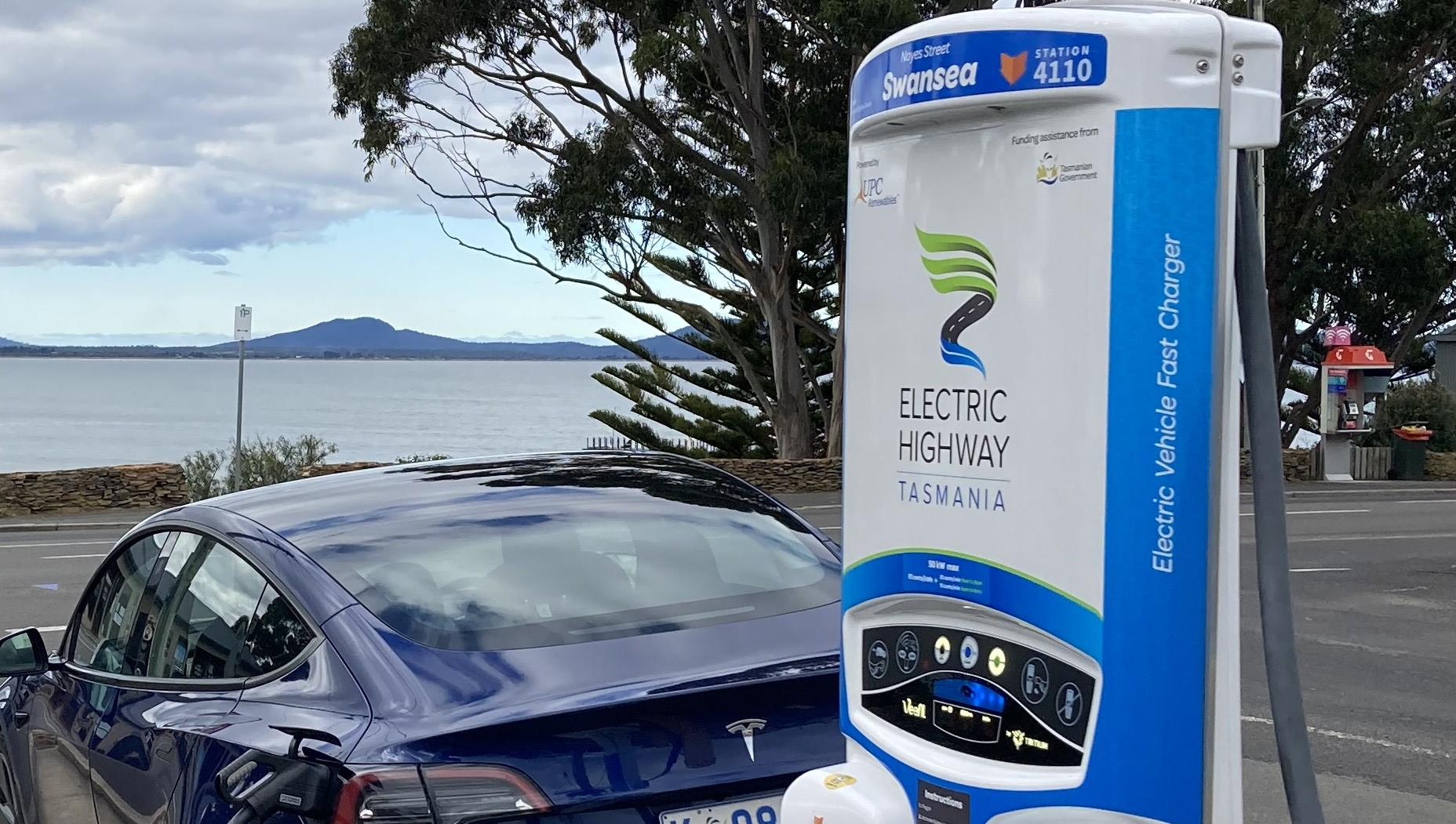
A DC rapid charger in Swansea, Tasmania
AC chargers (destination charging)
AC chargers (often called destination chargers) are slower, but very useful for everyday charging away from home.
They charge at a similar speed to a home charger and can fully charge your car over a few hours (depending on your vehicle).
You’ll often find them at:
Public car parks
Shopping centres
Cafés and restaurants
Tourist destinations
AC charging is ideal when you’re already planning to park for a while.
They’re also:
Generally more reliable (simpler technology)
More affordable than DC fast charging
Easier on the electricity network
💡 Many workplaces now install AC chargers for staff and customers.
Charging cables: do you need one?
This is a common question.
DC fast chargers: cable is almost always attached to the charger
AC chargers: sometimes have a cable, sometimes don’t
That’s why we recommend keeping your own cable in the boot of your car, especially for longer trips or regional travel.
The most common cable type in Australia is a Type 2 cable, which works with most EVs and public AC chargers.
A couple of practical tips:
Choose a cable that’s at least 5 metres long
Charging ports vary by vehicle (front, side, or rear), so extra length helps
👉 Having your own cable gives you flexibility and helps avoid getting stuck.
We sell affordable and good quality charging cables, and you can check them out here.

A limited edition electric blue charging cable
Connectors: will it fit my car?
Most modern EVs in Australia use:
Type 2 for AC charging
CCS2 for DC fast charging
Some older models (like certain Nissan Leafs) use a different DC connector (CHAdeMO).
If you’re unsure what your car needs, we’re always happy to help you figure it out.
How to pay for public charging
Public chargers usually require an app or account to start and pay for a charging session.
It can feel like there are a lot of different apps (because there are).
To get started, we recommend downloading:
(Plus any others common in your area)
Once set up on the app, you’ll be able to:
Start a charging session
Monitor progress
Pay for the electricity you use
RFID cards: a simpler way to charge
If you want to make things easier, an RFID card is a great option.
An RFID card is a small key card or fob that links to your charging accounts.
Instead of opening apps each time, you can simply tap the card on the charger to start charging.
Benefits include:
Faster and easier to use
Works even if mobile reception is poor
Handy backup if apps or networks are down
You’ll still need to connect the card to your accounts and payment method in each app.
We can help set one up for you, or you can order one through the Evie app and link it across multiple networks.
Check out our step-by-step guide to setting up an RFID card, here.
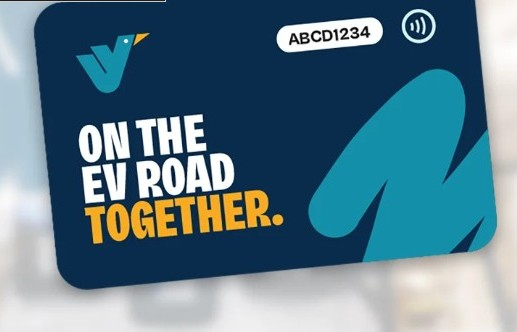
An Evie RFID card
How much does public charging cost?
Costs can vary depending on the charger type and provider.
As a general guide:
AC charging: usually cheaper (around 30-40 cents per kwh)
DC fast charging: more expensive, for convenience
Some chargers charge:
Per kWh (how much energy you use)
Plus a time-based fee (to encourage drivers to move on when finished)
👉 Even with public charging, EVs are still much cheaper to run than petrol vehicles.
Quick tips for public charging
Don’t arrive empty, plan your stops ahead
Always have a backup charger nearby
Bring your own cable (for AC charging)
Move your car once charging is around 80% (unless you really need to fully charge)
Check charger status in apps before you go
Expect a small learning curve at first, it gets easy quickly
Final thoughts
We hope this information has been useful, and helped answer some of the questions you might have about charging EVs.
Public charging might feel a bit unfamiliar at first, but once you’ve used it a couple of times, it becomes second nature.
With a bit of planning, and the right tools, you’ll be able to travel confidently, wherever you’re headed.
And if you ever get stuck or have questions, we’re always here to help.
Please get in touch if you think we’ve missed anything important or you’d like more info or still have questions.
We’d love to hear from you.